
Understanding the Role of a Parish Clerk and Meet Your Parish Clerk - Oliver Last
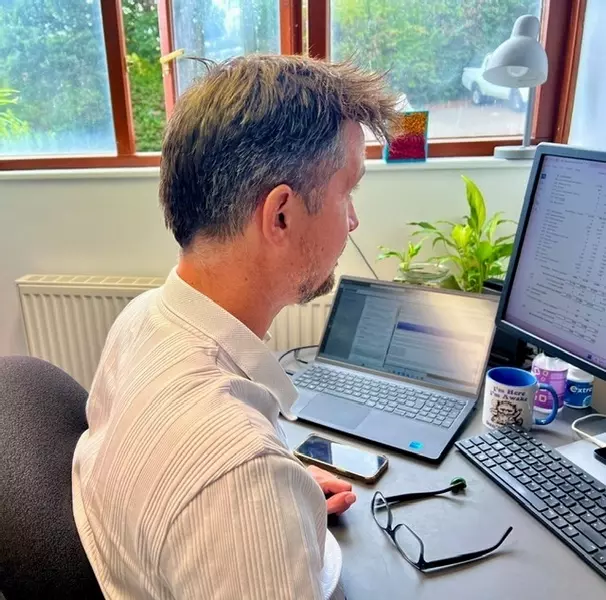
What Does the Parish Clerk Do?
The Parish Clerk is the Chief Executive and Responsible Finance Officer (RFO) of the Parish Council. They ensure the Council operates legally, transparently, and effectively — from governance and finance to project delivery and community engagement.
Key Responsibilities
- Preparing agendas, minutes, and reports
- Managing staff, contractors, and parish assets
- Overseeing budgets, procurement, and compliance
- Supporting councillors with professional advice
- Coordinating with district and county authorities
- Responding to residents’ enquiries
- Delivering long‑term projects and strategic planning
- Why the Role Matters
The Clerk is the Council’s operational backbone. They turn Councillors’ decisions into action, maintain continuity, and ensure the community receives reliable, lawful, and responsive services.
- How the Clerk Supports the Community
Through daily contact with residents, partnership working, and oversight of parish facilities, the Clerk helps shape Pulborough’s development — ensuring local voices are heard and local needs are met.
Meet Pulborough Parish Council’s Clerk, Oliver Last
Pulborough is entering a period of significant change — from major community projects to long‑term planning for growth and resilience. At the centre of this work is Oliver ‘Oli’ Last, Clerk to Pulborough Parish Council. Pulborough Post sat down with him to explore the role, the priorities, and his hopes for the village’s future.
Q: For residents who may not know, how would you describe the role of a Parish Clerk?
Oli: The Clerk is essentially the engine room of the Parish Council. I’m responsible for ensuring the Council operates legally, transparently, and effectively. That includes governance, finance, staff management, project oversight, and supporting Councillors in their decision‑making.
It’s also a public‑facing role. Residents come to us with questions, concerns, and ideas, and I see it as my job to make sure they feel heard and supported.
Q: What are your main responsibilities day‑to‑day?
Oli: No two days are the same which is what I love about the role, but typically I’m drafting agendas and reports, managing budgets and contracts, coordinating with partner authorities, supporting staff, responding to residents, and progressing long‑term projects.
It’s a mix of administration, project management, community engagement, and strategic planning.
Q: How do you work with Parish Councillors, and how does that relationship support both your role and the community?
Oli: The partnership between the Clerk and Councillors is vital. Councillors bring the democratic mandate — they set the vision and priorities for Pulborough. My role is to support them with professional advice, accurate information, and the practical means to deliver those decisions.
When that relationship is strong, the community benefits from decisions that are both well‑informed and properly implemented. Councillors’ local insight and commitment, combined with the Clerk’s operational continuity, creates a balanced and effective team.
Q: What are your current priorities for Pulborough?
Oli: Several priorities run in parallel. The Sports Pavilion and Community Hub redevelopment is my major focus, as it will provide a modern, accessible community facility. We’re also strengthening operational resilience with new staff, a new office and improved IT and financial systems.
Partnership working is another priority — Pulborough thrives when organisations collaborate. And we’re looking ahead to long‑term opportunities such as the Community Land Trust, and the implications of local government reorganisation.
Q: What does a typical day look like for you?
Oli: I usually start early with emails and staff check‑ins. Mornings often involve administrative work and project documentation. Afternoons tend to be more outward‑facing — meeting residents, visiting sites, or working with Councillors and Neighbourhood Wardens.
And of course, there are always unexpected issues that arise: planning queries, maintenance needs, or new legislation that requires immediate attention.
Q: What do you enjoy most about the role?
Oli: The variety, the people, and the sense of impact. You can see the direct results of your work — whether it’s a repaired culvert, a successful event, or a new community initiative. Pulborough has a strong community spirit, and working with Councillors and residents is genuinely rewarding.
Q: What do you see for Pulborough’s future?
Oli: Pulborough is at a turning point. We have major developments ahead that will reshape the village — improved connectivity, new facilities, and opportunities for land stewardship.
My hope is that we balance growth with identity. If we plan well and keep residents at the centre of decision‑making, we can create a future that feels both modern and authentically Pulborough.
Q: Any final thoughts for residents?
Oli: Stay involved. Whether it’s responding to consultations, joining community groups, or simply sharing your ideas — your voice genuinely shapes the village. The Parish Council is here to serve you, and my door is always open.