
Fly-tipping – Don’t Put Up With It, Report It
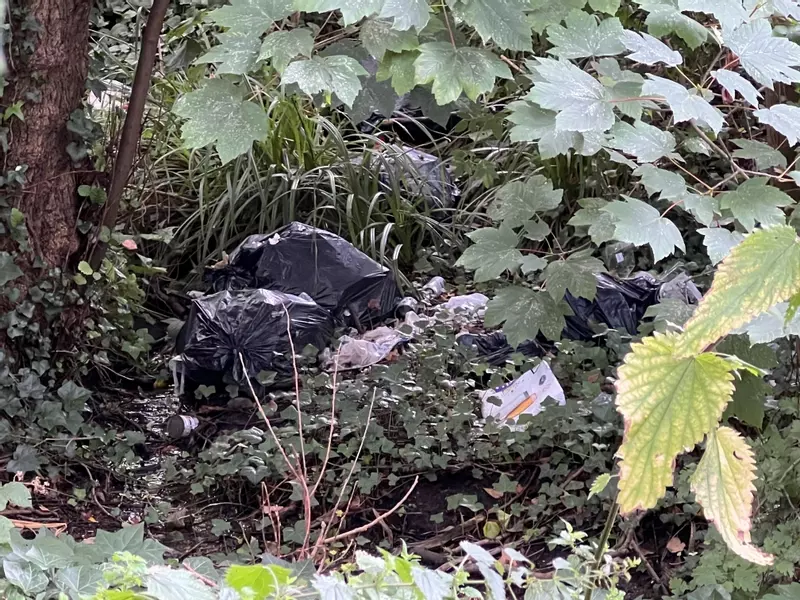

Fly‑tipping is rising sharply across Pulborough and Nutbourne, with rural lanes, verges and quiet cut‑throughs increasingly targeted for illegal dumping. Recent national and regional data shows a clear upward trend, tougher penalties are now in force, and local authorities are stepping up enforcement — but the problem continues to damage the environment, wildlife, public safety and the local economy.
The Local Picture: Rising Incidents in Pulborough & Nutbourne
While hyper‑local statistics for Pulborough and Nutbourne are not published separately, West Sussex and national trends show a year‑on‑year rise in fly‑tipping, particularly on rural verges, country lanes and industrial edges. West Sussex County Council confirms that fly‑tipping is increasing across the county, with roadside verges and rural lanes among the most affected areas.
Known Local Hotspots (based on council reports, warden feedback and resident observations)
Pulborough:
- Rural verges along Stane Street
- Laybys near Hardham
- Tracks around Wiggonholt Common
- Edges of Pulborough Brooks access roads
Nutbourne:
- Country lanes between Nutbourne and West Chiltington
- Verges near Black Gate Lane
- Isolated pull‑ins along the A283 corridor
These locations match the wider pattern of fly‑tipping in rural West Sussex: secluded, low‑traffic areas where offenders believe they will not be seen.
What’s Being Dumped: Common Types of Waste
National and regional guidance identifies the most common forms of fly‑tipped waste:
- Bin bags of household waste
- Furniture (sofas, mattresses, wardrobes)
- Garden waste
- Small commercial loads (builders’ rubble, plasterboard, timber)
- Hazardous waste such as asbestos sheets or drums of industrial waste .
- Across West Sussex, councils report increasing problems with:
- Construction waste from unlicensed “man‑with‑a‑van” operators
- Green waste dumped in woodland
- White goods left in laybys
- Tyres and vehicle parts on rural verges
Why It Matters: Dangers to Residents, Wildlife & the Local Economy
- Fly‑tipping is not just unsightly — it is dangerous.
- Risks to Residents
- Sharp objects, asbestos, chemicals and broken furniture pose direct injury risks.
- Dumped waste can block pavements, verges and access routes.
- Fires started in dumped waste can spread rapidly.
- Risks to Wildlife & Environment
- Toxic substances can leach into soil and watercourses, harming habitats.
- Plastic and chemical waste can injure or kill wildlife.
- Garden waste can introduce invasive species into sensitive habitats such as Pulborough Brooks.
- Impact on Local Economy
- Clean‑up costs fall on local taxpayers.
- Dumping near nature reserves and walking routes harms tourism and visitor appeal.
- Businesses face reputational damage when waste is dumped near commercial premises.
How to Report Fly‑tipping (and Who to Contact)
Reporting correctly ensures fast removal and helps enforcement teams track offenders.
- Neighbourhood Wardens (Pulborough)
For small‑scale fly‑tipping on public land within Pulborough:
Carol: 07584 337475
Lottie: 07584 337476
Email: mailto:pulborough.wardens@horsham.gov.uk
Wardens can investigate, gather evidence, and escalate to Horsham District Council.
- Horsham District Council (HDC)
For most fly‑tipping on:
- Public land
- Highway verges
- Parks and open spaces
- Small commercial or household waste dumping
Report via the council’s environmental health team (the standard national route for small‑scale fly‑tipping).
Download the HDC App from the App Store and use the ‘Report It’ function.
- West Sussex County Council
Responsible for:
- Waste on main roads
- Waste affecting drainage, watercourses, or highway safety
- Larger incidents requiring specialist removal
- Environment Agency
Contact only for large‑scale or hazardous dumping, including:
- 20 tonnes or more
- Hazardous waste (e.g., asbestos >5 cubic metres)
- Waste linked to organised crime
- Waste posing significant flood or pollution risk
- Environment Agency Incident Hotline: 0800 80 70 60 (24 hours)
- Crimestoppers
To report anonymously: 0800 555 111 (24 hours)
What Information You Should Provide
Authorities advise gathering only what is safe:
- Exact location (What3Words if possible)
- Date and time
- Type and amount of waste
- Photos (from a safe distance)
- Vehicle details if witnessed (make, colour, registration)
- Any people involved (description only — do not confront)
This aligns with national guidance requiring councils to gather circumstances, land type, waste type and potential effects when investigating.
Penalties for Fly‑tipping (2026)
Penalties have recently increased significantly.
Fixed Penalties
- Up to £1,000 for fly‑tipping (FPN) — increased in July 2026
- Up to £600 for householders who breach their duty of care by using unlicensed waste carriers
Court Penalties
- Magistrates’ Court: Up to 12 months’ imprisonment and/or fines up to £50,000
- Crown Court: Unlimited fines and up to 5 years’ imprisonment
- Vehicles used for fly‑tipping can be seized and crushed
These penalties reflect the government’s zero‑tolerance approach and new waste‑crime enforcement powers introduced in 2026.
Recent Convictions & Enforcement Trends
While Pulborough‑specific convictions are not published, national and regional enforcement shows:
- Councils and the Environment Agency are increasingly seizing vehicles used for fly‑tipping.
- Courts are issuing higher fines following the July 2026 increase in maximum penalties .
- West Sussex councils actively pursue prosecutions, particularly where waste is traced back to householders who used unlicensed carriers .
- Local wardens confirm that evidence such as packaging, receipts or addressed mail often leads to successful enforcement.
What’s Being Done to Prevent Fly‑tipping
Local Actions
Neighbourhood Wardens: High‑visibility patrols, evidence gathering, community engagement.
Horsham District Council:
- Rapid removal to prevent repeat dumping
- CCTV in hotspots
- Joint operations with Sussex Police
- West Sussex County Council:
- Targeted patrols on rural lanes
- Improved signage and barriers
- Collaboration with the Environment Agency on hazardous waste
National Actions
- Digital waste‑tracking service to prevent rogue operators disposing of waste illegally.
- Tougher background checks for waste carriers.
- Vehicle seizure powers strengthened.
- Higher fines introduced in July 2026 to deter offenders .
If you spot fly‑tipping:
- Report it quickly
- Provide clear information
- Never confront offenders
Pulborough’s strong community networks, active wardens and engaged residents are key to protecting the countryside from further harm.