
KEEP PULBOROUGH FLOWING - Landowner Ditch Maintenance: Your Legal Duty
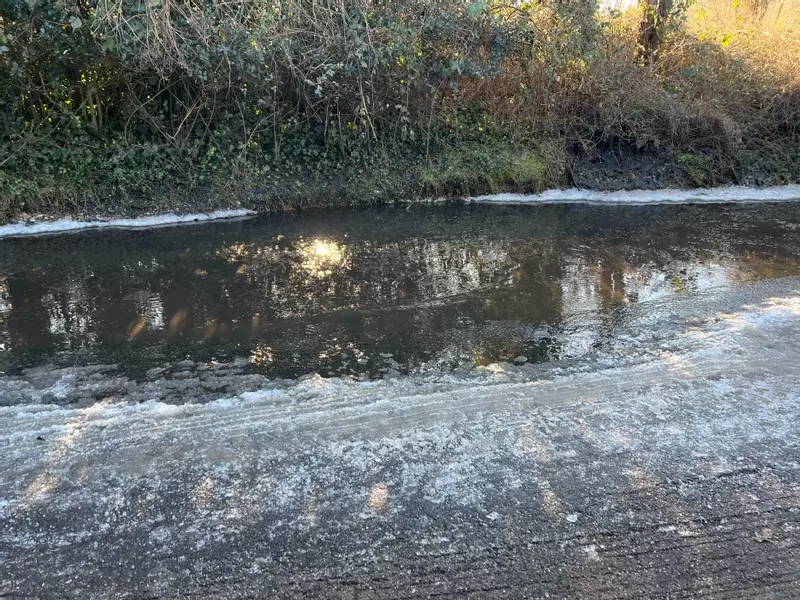
Blocked ditches = flooded roads, damaged homes, unhappy neighbours. Here’s what every landowner must do:
✅ Inspect ditches twice a year
✅ Clear vegetation, silt, and debris
✅ Keep culverts unblocked
✅ Repair bank erosion
❌ Don’t dump garden waste
❌ Don’t divert or block water
❌ Don’t assume the council maintains your ditch
Riparian owners must keep water flowing freely.
Neglect can lead to flooding — including recent issues on West Chiltington Road.
Pulborough’s resilience depends on every landowner playing their part. Maintaining your ditches is not just a legal duty—it is a community responsibility. When watercourses are cared for, roads stay open, homes stay dry, and neighbours stay on good terms. When they are neglected, the consequences can be costly, dangerous, and far‑reaching.
Let’s protect our village — together.
Why Landowners Must Inspect and Maintain Their Drainage Ditches: Local Lessons, Legal Duties, and Practical Guidance
Blocked ditches and neglected culverts are not just an eyesore—they are one of the most common, preventable causes of flooding in Pulborough, Nutbourne and the surrounding rural lanes. When landowners fail to inspect and maintain the watercourses running through or alongside their property, the consequences ripple outward:
- flooded highway
- damaged home
- eroded banks
- costly enforcement action
Recent investigations in West Sussex show clearly that riparian responsibilities are not optional—they are a legal duty, and one increasingly enforced.
Why Ditch Maintenance Matters
Drainage ditches, culverts and small watercourses form the capillaries of Pulborough’s landscape. When they are blocked by vegetation, silt, collapsed pipes or debris, water backs up—often onto neighbouring land or the public highway.
Case study: A West Sussex County Council Riparian Drainage Project Officers (RDPO) investigation into West Chiltington Road, Pulborough, following heavy rainfall in winter 2023–24, found that highway flooding and road damage were linked to breaches of riparian responsibilities. The RDPO report notes that such failures can trigger enforcement action under the Land Drainage Act 1991.
This is not an isolated issue. Across the UK, councils are increasingly reminding landowners that ditch maintenance is a legal duty, not a courtesy. In April 2026, for example, Cambridgeshire County Council wrote to households along Duloe Brook after finding it “in a poor state of repair,” leaving one homeowner facing a five‑figure bill.
Understanding Riparian Rights and Responsibilities
Riparian rights are the rights and duties that come with owning land adjacent to, above or containing a watercourse—whether a river, stream, ditch, drain or culvert. Unless your title deeds say otherwise, you own the bed and banks up to the centre line, and with that ownership comes responsibility.
What You May Do (Your Rights)
- Receive the natural flow of water.
- Use water for ordinary purposes (e.g., limited domestic use, fishing with licences).
- Protect your land from erosion.
- Drain your land into the watercourse in certain circumstances.
- What You Must Do (Your Responsibilities)
- Keep the watercourse clear: remove silt, vegetation, litter, fallen branches.
- Maintain culverts and pipes: repair damage, prevent blockages.
- Avoid obstructing or diverting flow: do not build or place anything that narrows the channel.
- Prevent pollution: water must pass to neighbours “unblocked, undiverted and clean.”
- Report incidents to the Environment Agency.
These duties apply whether the watercourse is open or piped underground, natural or man‑made, and even if it runs dry for long periods.
What Happens When Responsibilities Are Ignored
Legal experts note that riparian disputes often begin with a practical failure: a blocked ditch, a collapsed culvert, or a bank that has eroded due to lack of maintenance. These issues can quickly escalate into:
- Flooding and nuisance claims
- Boundary disputes
- Enforcement action by councils
- Damage to highways or neighbouring land
- Costly repairs and legal bills
The RDPO investigation in Pulborough highlights how neglected ditches can cause highway flooding, leading to road damage and safety risks. The report is now part of the county’s long‑term flood risk record and may be used as evidence in enforcement cases.
Local Context: Pulborough & Nutbourne
Pulborough’s geography—low‑lying land, tidal influence from the River Arun, and numerous rural lanes—makes it particularly sensitive to blocked watercourses.
Nutbourne’s network of ditches and culverts plays a critical role in managing surface water from farmland and residential areas.
While no recent publicised Nutbourne enforcement cases appear in current records, the principles are identical: if a ditch runs along your boundary or across your land, you are responsible for its condition. The RDPO’s Pulborough findings serve as a clear warning for all neighbouring parishes.
Practical Steps for Landowners – See below for a more detailed checklist
- Inspect ditches at least twice a year—ideally before winter and after heavy rainfall.
- Clear vegetation, silt and debris regularly.
- Check culverts for collapse or obstruction.
- Work with neighbours—watercourses rarely affect just one property.
- Seek consent before altering the flow, volume or route of water leaving your land (to avoid nuisance claims).
Online Sources for Further Guidance
These sources provide clear, authoritative guidance:
Environment Agency – Owning a Watercourse Practical explanation of riparian rights and responsibilities. https://www.gov.uk/guidance/owning-a-watercourse (gov.uk in Bing)
West Sussex County Council – Flood Risk & Riparian Duties Local guidance and RDPO investigations. https://www.westsussex.gov.uk
Unda Consulting – Riparian Rights Guide Detailed overview of legal duties and common issues. https://www.unda.co.uk
Lester Aldridge LLP – Riparian Responsibilities Explained Legal insight into disputes and enforcement. https://www.lesteraldridge.com
Ditch Maintenance Checklist for Local Landowners
A simple guide to keeping water flowing and preventing avoidable flooding in Pulborough & Nutbourne
Maintaining your drainage ditches isn’t just good practice—it’s a legal responsibility under riparian rights. Regular checks help protect your property, your neighbours, and the wider community from flooding. This checklist breaks the job into manageable steps you can follow throughout the year.
Seasonal Inspection Routine
- Twice a Year (Spring & Autumn)
- Walk the full length of any ditch, stream, or culvert on your land.
- Check for vegetation growth, silt build‑up, fallen branches, or dumped debris.
- Look for signs of bank erosion or collapse.
- Inspect culvert entrances and exits for blockages.
- Confirm water can flow freely without pooling or backing up.
- After Heavy Rainfall
- Re‑check culverts and pipes for sudden blockages.
- Look for water overtopping banks or flowing onto roads or neighbouring land.
- Note any areas where water is slow to drain—these may need clearing or repair.
Routine Maintenance Tasks
- Vegetation Management
- Cut back overgrown brambles, nettles, and saplings.
- Remove invasive species that choke water flow.
- Keep both banks accessible for future inspections.
- Silt & Debris Removal
- Clear silt build‑up from the ditch bed.
- Remove leaves, litter, and natural debris.
- Ensure culvert grilles are free from obstructions.
- Culvert & Pipe Care
- Check for cracks, collapse, or misalignment.
- Remove blockages from pipe entrances and exits.
- Ensure any flap valves or grilles are working properly.
- Bank Stability
- Repair small collapses promptly.
- Avoid driving heavy machinery too close to ditch edges.
- Do not place fencing, posts, or structures where they could obstruct flow.
Things You Must Not Do
- Do not block, fill, or pipe a ditch without proper consent.
- Do not divert water in a way that increases flood risk to neighbours.
- Do not dump garden waste, soil, rubble, or grass cuttings into a ditch.
- Do not assume the council maintains your ditch—most are private.
Signs You Need Professional Help
- Persistent flooding or pooling even after clearing.
- Culverts that appear collapsed or misaligned.
- Erosion that threatens fences, boundaries, or buildings.
- Disputes with neighbours about water flow or ditch ownership.